Pet Care Insurance Mistakes You Don’t Want to Learn the Hard Way
Insurance isn’t something most pet care operators spend their time thinking about. It’s one of those areas that tends to get handled once and then put on the shelf while you focus on running the business.
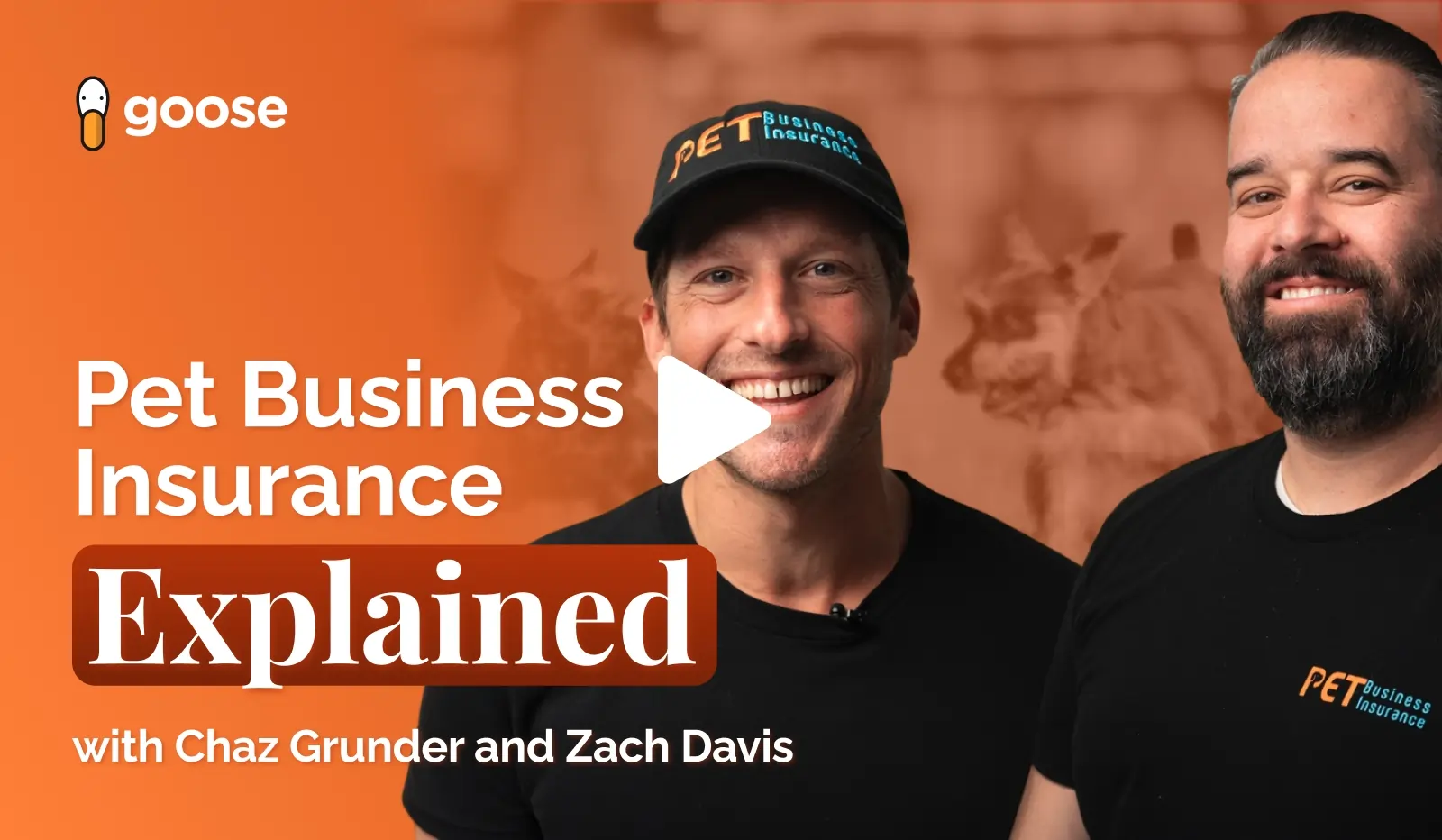
But after talking with Chaz Grunder and Zach Davis, the co-owners of Pet Business Insurance, and hearing some of the situations they’ve seen play out, I’m planning on taking a hard look at my own coverage.
Insurance is one of those areas you do not want to learn about the hard way.
The biggest misconception: general liability covers pets
The conversation started with an assumption I think a lot of us make: if I have general liability, I’m covered.
According to Zach, that’s one of the most common misunderstandings he sees. General liability protects your business if a person is injured. It does not typically cover injuries or illness to the animals in your care. That distinction sounds small, but when you think about what we actually do every day, it’s a pretty big gap.
If a dog gets injured during daycare, escapes, gets into a fight, or ends up at the emergency vet, that exposure usually falls under Animal Bailee’s coverage. If the issue happens during a professional service like grooming or administering medication, that’s where Professional Liability comes into play.
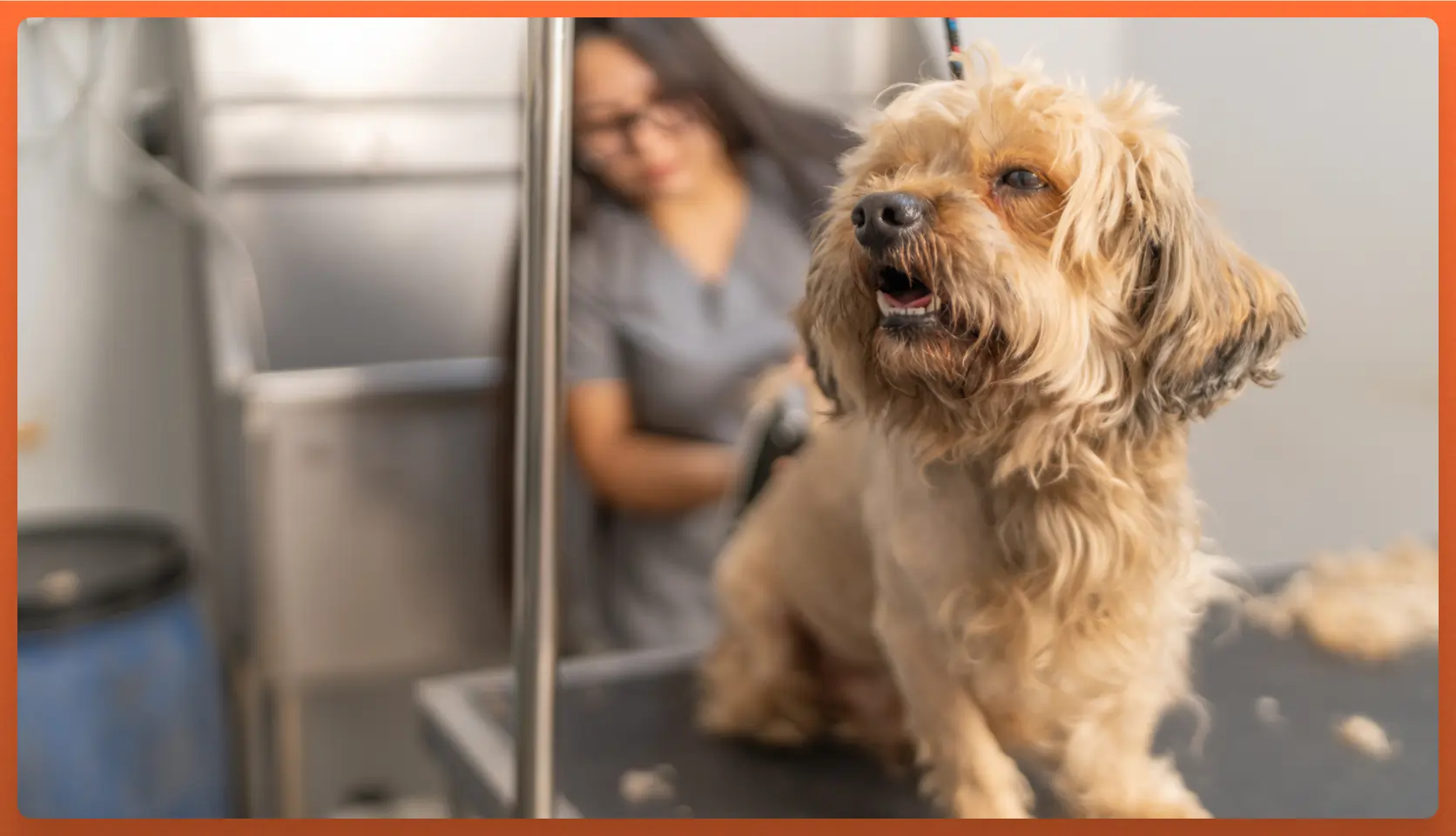
Most businesses need both. Many only have one. Some have neither.
What stood out to me was how often this isn’t a cost problem. Zach shared that when he first discovered this gap, he was able to add the missing coverages for roughly the same price the business was already paying. That is true for many of the businesses they encounter. You may be paying more for something that has limited coverage and isn’t built for the business that you are actually running.
Claims aren’t rare, and they aren’t always what you expect
I asked Chaz and Zach what claims actually look like across their book of business. Zach’s answer was pretty direct: it’s about a 50/50 split between injuries to pets and injuries to employees.
That tracks when you think about the environment. Dogs moving quickly, staff actively managing them, busy lobbies, playgroups, transitions throughout the day. It’s not a static environment.
They shared a few examples that sound routine at first but add up quickly: a dog clipping an employee in the back of the leg during play, leading to an X-ray and knee issues, a bite during handling; incidents that turn into time off work and a workers’ comp claim.
On the pet side, the biggest shift is cost. Chaz mentioned a recent case where a broken leg led to a $10,000 surgery. They’ve seen pets in emergency care for days at a time. That’s just the veterinary side. As laws evolve and pets are increasingly viewed as companions rather than property, there’s also the potential for claims tied to emotional loss.
And then there are the stories that stick with you. Zach shared one involving a grooming salon owner who was seriously injured during a meet-and-greet and had opted out of workers’ comp coverage to save money. The difference in cost was relatively small. The outcome was not.
It’s a reminder that these situations are not hypothetical.
Your operations affect your risk more than your policy does
One of the more practical parts of the conversation was around what insurance carriers actually look for when evaluating a business.
Chaz explained that strong operational practices can lead to premium credits, but more importantly, they reduce the likelihood of incidents in the first place. The things he pointed to weren’t complicated or exotic; they’re the fundamentals of a well-run business. They include:
- Clear standard operating procedures
- Structured check-in and check-out processes
- Minimizing congestion in lobbies
- Proper separation of dogs
- Staff training and handling protocols
Something as simple as a smooth check-in process can dramatically reduce risk. If dogs are moving efficiently into the facility instead of stacking up in the lobby while paperwork is being completed, you reduce the chance for something to go sideways.
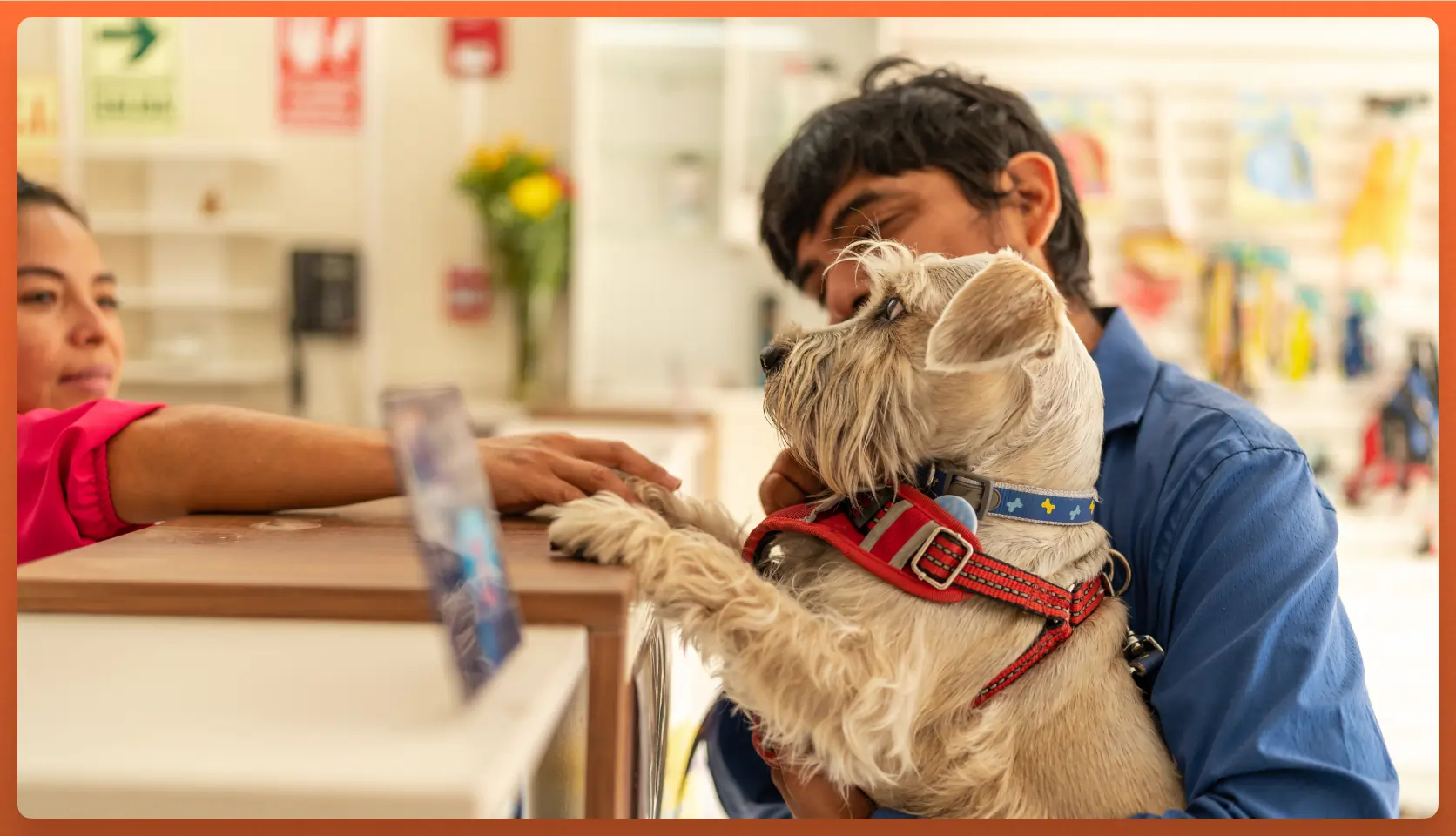
Zach added that carriers look closely at loss history, but that history is really just a reflection of how the business operates day to day.
The takeaway here is that, while it’s in your own best interest to “get better insurance,” You have a lot of control within your operation so that you have fewer reasons to use it.
You might be overlooking other risks
Some of the more interesting parts of the conversation were the areas where risk shows up unexpectedly.
For example, Chaz mentioned a growing number of claims tied to the hiring process. A candidate comes in for an interview, gets brought into the back, is exposed to dogs, gets bitten, and now you’re dealing with a workers’ comp claim and potentially employment-related issues. That’s not something most operators are thinking about when they’re trying to hire.
The same idea applies to volunteers and interns. As Zach put it, you’re bringing someone into a high-risk environment who may not be trained, and they’re not even part of your core team. The upside is limited, but the exposure is real.
Then there’s vehicle usage. Even if you don’t formally offer pickup and drop-off, having employees run errands in their personal cars while on the clock can create liability for the business. The fix, in many cases, is relatively inexpensive coverage. The challenge is that most people don’t realize the exposure is there in the first place.
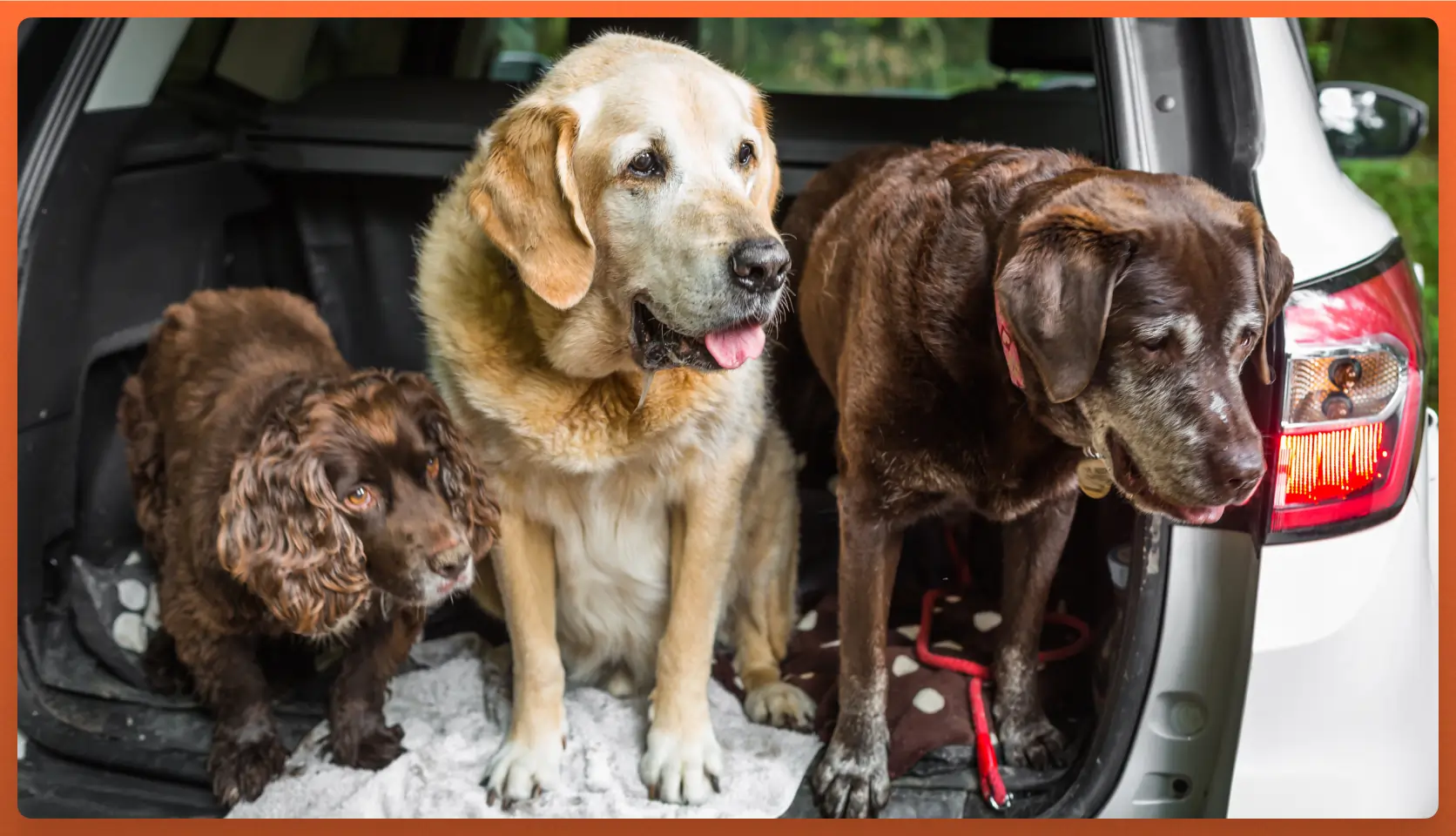
A lot of risk lives on the edges of the business. The things you do occasionally, or informally, or “just this once.” Those are worth thinking through a bit more deliberately.
Documentation is your best defense
We all hope we never need to use our insurance, but if something does happen, the guidance here was very consistent: Document everything. Not just major incidents. Everything.
Chaz walked through what that actually means: time, date, photos, witness statements, and any available video footage. Capture as much as you can while your memory is fresh, because it may be impossible to recreate that documentation later.
Zach reinforced that this isn’t just about obvious claims. It’s about any incident that could potentially turn into one. They’ve seen situations where something minor at the time turns into a lawsuit a year or more later. If nothing was documented, there’s very little to fall back on.
What you should look into (right now)
Toward the end of the conversation, I asked what questions a business owner should be asking their agent. Zach provided the checklist below:
- Start with workers’ compensation limits. In their experience, anything below $1 million is often too low, depending on the state. Employee injuries are one of the more common exposures in this industry.
- Look closely at your Animal Bailee’s coverage and specifically ask about sublimits. This was one of the more eye-opening points for me. You might have a $100,000 policy, but if there’s a $1,000 per-pet sublimit, your actual coverage for a single incident could be far less than you expect.
- Ask how your coverage actually responds when there is a claim. Are there exclusions? Does it only apply in certain scenarios? Does it cover treatment, or only worst-case outcomes?
- Confirm you have Professional Liability in place. Zach mentioned that this is missed more often than you’d think, even in businesses that are actively providing grooming or administering medications.
- Set aside funds to handle smaller incidents. Filing frequent small claims can increase your premiums. Insurance is there for the bigger events. Not every situation needs to go through a policy.
Final thoughts
The biggest takeaway for me wasn’t about any one policy or endorsement. It was the idea that your insurance should reflect the business you are actually running, not the version of it that exists on paper.
Chaz made a comment toward the end that stuck with me. When they see businesses using structured systems and running organized operations, those businesses tend to be lower risk. They’re more professional. They’re more predictable. And over time, they’re more sustainable.
You absolutely need the right coverage in place. But one of the strongest protections for your business is still how you operate day to day. Clear processes, well-trained staff, thoughtful decisions, and consistent documentation. When you have that covered, insurance is just the safety net (and it just works a lot better when you don’t have to use it).
Interested in getting a quote or talking to the folks at Pet Business Insurance? Check them out here.

.svg)